Capture how real people speak, see, act, and respond.
Recruit the people your project requires, then capture voice, video, screens, images, reactions, and real-world interactions. Combine the right audience with the right method to create human data grounded in authentic behavior and experience.
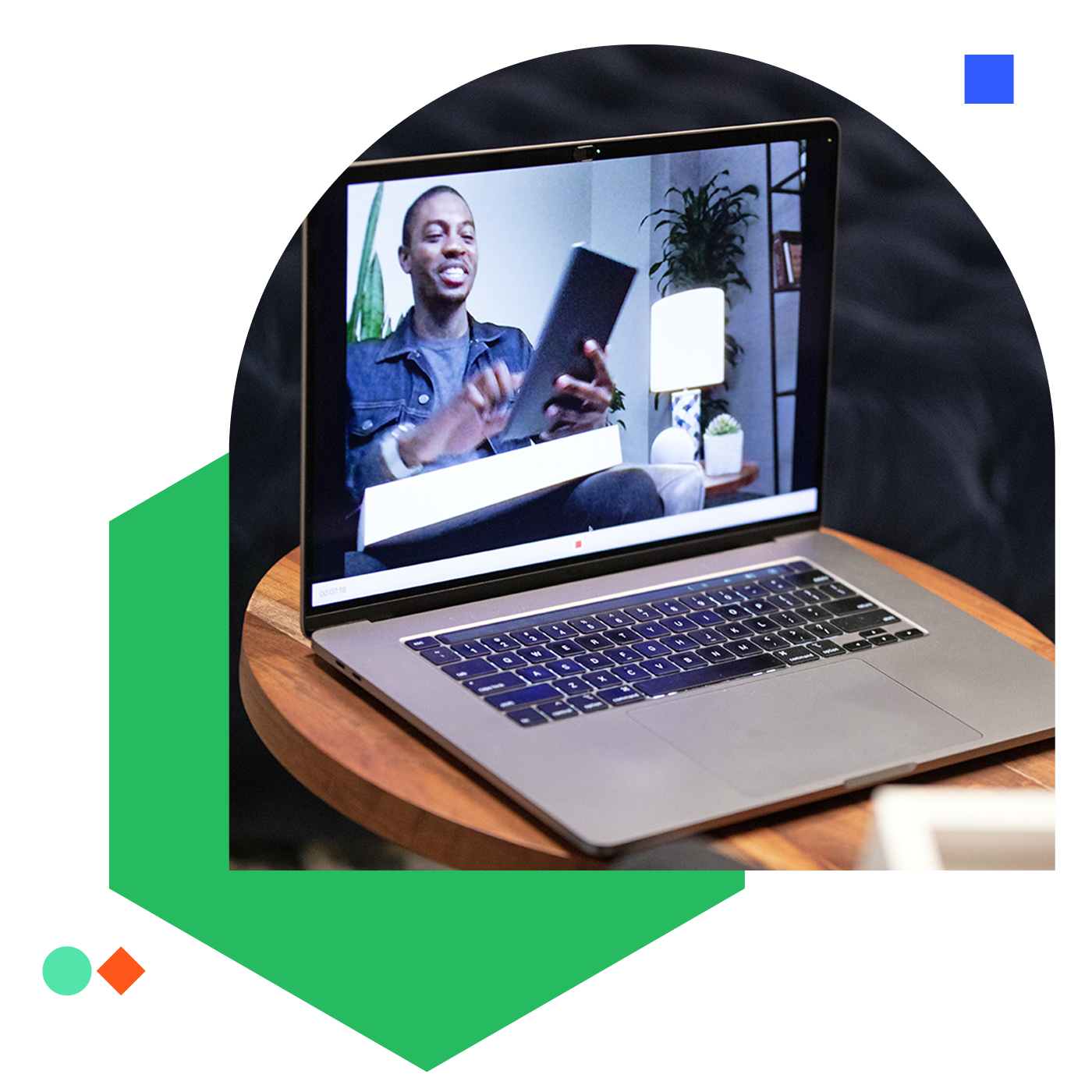
AI has to work in the conditions people actually live and work in.
Studio-quality examples and synthetic scenarios cannot capture every accent, device, environment, behavior, or interaction. Real people introduce the variation AI systems eventually have to understand.
People communicate differently
Accent, language, expression, tone, terminology, and communication style vary across people and contexts. That variation matters when systems need to understand real users.

Real environments add complexity
Lighting, background noise, devices, connectivity, physical settings, and interruptions change what systems encounter outside controlled test conditions.
Behavior is difficult to simulate
How people navigate, react, explain, correct themselves, and complete tasks produces context that scripted examples can miss.
Human behavior and feedback, captured in more than one form.
Recruit the right people, then combine the capture methods that fit the work. Projects can include voice, video, screen activity, think-aloud feedback, real-world tasks, and structured human responses.
Voice and audio
Collect spoken responses, conversations, think-aloud feedback, or task-based audio from people matched to the audience your project requires.

Video and facial response
Capture people explaining, reacting, demonstrating, or completing tasks on camera when visual behavior or context matters to the work.
Screen and interaction capture
Record people navigating websites, applications, prototypes, AI experiences, or other digital workflows while they complete realistic tasks.
Think-aloud feedback
Understand what people notice, expect, question, and decide while they complete a task rather than relying only on the final outcome.

Real-world tasks
Ask people to complete activities in their own environments, devices, workflows, or contexts when realism and natural behavior matter.
Custom multimodal studies
Combine audio, video, screen activity, written responses, structured feedback, and other methods in a study designed around the AI or business question.
Capture matters. Who you capture matters more.
Start with the audience the work requires, from broad consumer populations to technology professionals and specialized experts. Then choose the combination of voice, video, screen, task, or feedback methods that fits the project.
7.6M
People across our networks
34K+
AI training sessions, 12 months
3.2M
Professionals across 140 industries
Participants know what they are being asked to record and why.
Multimodal projects can involve voice, video, screens, and other personal data. Participants are recruited and consented for the specific activities involved, with project requirements defined during scoping.

Project-specific consent
Participants understand the recording or data-collection activity before they take part, including the types of interactions or media involved.

Engagement-level handling
Customer materials and study data stay scoped to the engagement rather than being pooled into a shared commercial dataset.

Sensitive-study support
Additional recruiting, consent, and handling requirements can be addressed when projects involve sensitive audiences, content, or environments.
Tell us what you need people to do.
Describe the audience, activity, environment, and type of human input your project requires. We can help determine the right recruiting approach, capture method, and level of managed support.
Frequently asked questions
What types of data can you capture?
Depending on the study, projects can include voice, video, screen recordings, spoken feedback, task interactions, images, written responses, and combinations of these methods.
Can you recruit specific people for the project?
Yes. Participants can be targeted by demographics, behaviors, professional attributes, industry, role, skills, and other project-specific criteria, with custom recruiting available for specialized audiences.
Can participants use their own devices?
Yes. Many studies can run in participants' real environments and on their own devices. Exact device or environment requirements should be defined during scoping.
Can you capture interactions with an AI agent?
Yes. Studies can capture people completing tasks with AI-powered experiences, including screen activity, spoken or written feedback, and think-aloud reactions where appropriate.
Can you collect expert demonstrations?
Yes. Domain professionals can be recruited to demonstrate workflows, complete tasks, or explain the judgment they use, depending on the project.
Can you evaluate data we already have?
Potentially. Professional Services can support studies involving existing content or AI outputs, with the methodology, participant requirements, and data-handling approach scoped to the project.
